

Preparing for a live-in carer's arrival involves ensuring a comfortable and private bedroom for them. This article will guide you through the essential steps to set up their space, plan rest breaks, manage housekeeping budgets, organise specialist equipment, and cater to dietary needs, ensuring a smooth transition for both the carer and your loved one.
Bedroom
Preparation for your live-in carer's arrival is of paramount importance, and arranging their sleeping quarters is a critical initial step. It's essential to furnish a private room for the carer, complete with a bed, to ensure both rest and privacy.
Assessing for comfort and accessibility is similarly important in this process, ensuring the carer's well-being and efficiency in their duties. The carer’s room should include necessary pieces of furniture, like a wardrobe for storing clothing and a bedside table. Clean bedding and a comfortable mattress not only provide a restful space but also demonstrate that their comfort is valued within your home.
A well-prepared room likewise sets a welcoming tone, potentially leading to enhanced care for your loved one. While setting up the carer's room, don't forget that your loved one’s comfort is key as well. Ensure their sleeping area is easy to access, clean, and tidy.
Moreover, their bed should be adapted to fit their specific needs. Providing a safe and restful space for your loved one can significantly improve their overall comfort and care. In instances where your loved one might have unique needs, such as needing to be close to a bathroom, these should not be overlooked.
Communicate any special requirements to the caregiving agency in advance. Taking this approach helps to ensure your loved one receives adequate and personalised care tailored to their needs. A well-planned preparation makes the transition smoother, ensuring your loved one's welfare and the carer's comfort.
Rest Breaks
One crucial element to take into account when preparing for the arrival of a live-in carer is to ensure they receive adequate rest breaks. Proper breaks are not only necessary for the maintenance of the high standard of care they provide but also for their own well-being. It's vital to remember that carers provide a vital role and need time to recuperate and refresh themselves so they can give their best care to your loved ones.
Live-in care services operate on a 24-hour basis, meaning that the carers are always on hand to provide assistance when needed. However, they need regular breaks from their duties to remain fresh and rejuvenated. The laws and rules state that live-in carers must receive a minimum of a two-hour break each day. Planning when these rest periods occur should be a concerted effort between you and the carer, with the aim of producing the least disruption to your loved one's daily routine.

Discuss and negotiate until you arrive at times that are agreeable to both parties, ensuring a smooth transition between caregiving tasks. Finding solutions for what to do during the carer's rest times is something that should also be considered.
You might be able to arrange for a family member or friend to step in for a short while, or perhaps you might need to source temporary help from another carer or care agency. Setting a clear and effective rest schedule at the start is vital. This allows the carer to take adequate rests, ensuring they are recharged and ready to provide the level of care needed.
It's important to remember that carers also have personal needs. Giving them time to attend to these can help prevent fatigue and burnout, leading to a more effective and efficient care service. In conclusion, with solid planning and clear communication, the provision of rest breaks for your live-in carer can be seamlessly incorporated into your loved one's daily routine, ensuring their care is always prioritised.
Housekeeping Money
Managing your housekeeping budget is a vital aspect of ensuring a well-organised and comfortable home setting. It entails accounting for all needed household expenses, guaranteeing that no crucial expenditures are overlooked. Knowledge about how to handle money allocated for housekeeping involves figuring out potential costs, setting a regular expenditure limit, and closely monitoring your spending habits.
Costs that should be taken into account include food shopping, cleaning items, utilities, and any supplementary services that may be required, for example, laundry or repair work. It may be a good idea to maintain a record of these outgoing costs, allowing you to see where the majority of your funds are being used and to identify areas where adjustments may be needed.
At times, finding it tough to stick to your budget may be inevitable due to unexpected expenses. However, being able to plan ahead, supplemented with maintaining a small savings buffer, can help in managing these incidences.
Another key factor is open communication and collaboration with everyone in the household, ensuring that the budget is adhered to. In summary, efficient management of housekeeping money can result in a stable, nicely kept-household. Remember, the primary goal is not to significantly reduce costs, but instead to spend prudently and keep an accurate record of your expenses. With well-thought-out planning and responsible spending, handling your housekeeping budget should become a straightforward and advantageous routine.
Specialist Equipment
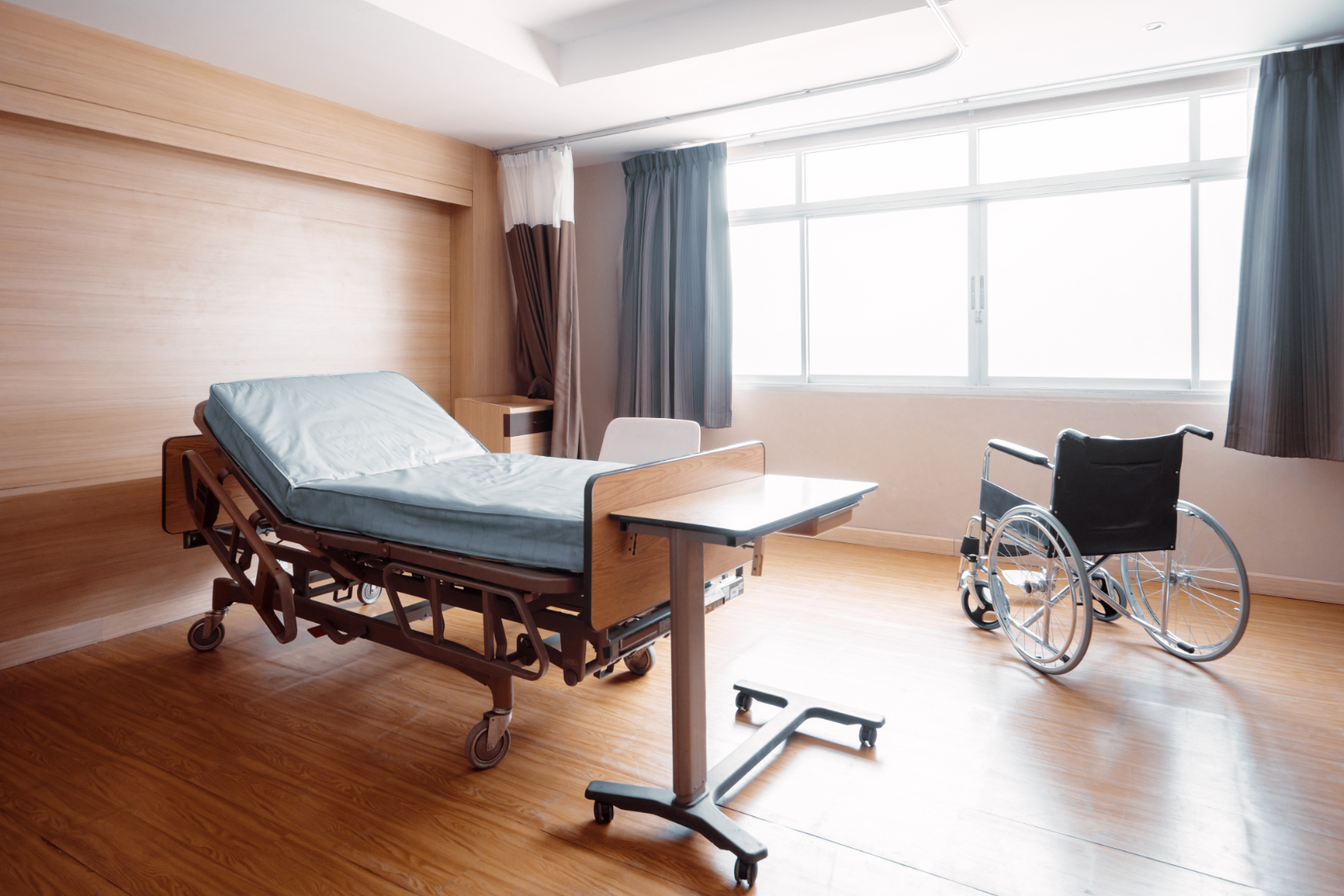
As new arrangements for care begin, one key element you'll need to consider is preparing for the arrival of your live-in carer. This preparation may involve putting in place certain specialist equipment to ensure the best care for your loved one.
Some examples of these might be particular mobility aids, such as walking frames or wheelchairs, beds that can be adjusted for heightened comfort and ease, or aids that assist with toilet use. These could be necessary depending on the care requirements of the person who will receive the attention.
Ensuring this equipment is set up at home prior to the carer's arrival, not only provides the individual with the support they require, but also empowers the carer to assist and care for the person in the best possible way. Clear and precise communication with your care agency is paramount to ensure all equipment needs are known, understood, and satisfied.
By doing this, you can ensure that everything will be ready in an organised and efficient manner. The peace of mind that comes with this preparation can make the whole transition of arranging for the care of a loved one a much more smooth and stress-free process.
Food
According to one's needs, it's crucial that you prepare meals for the person needing care and your live-in carer. One of the main things to think about before your live-in carer arrives is the dietary requirements of both your loved one and the carer.
Meal preparation is commonly a task that carers are involved in. Therefore, having a complete list of each person's dietary needs, preferences, and aversions can be really helpful. It's also really important to make sure there's always enough food at home. This should include a variety of ingredients so that you can make a wide range of meals. Breakfast, lunch, dinner, and snacks should all be possible to make with what's available. To help with this, it may be beneficial to discuss a meal plan for each week. It has multiple benefits.
Firstly, it makes sure everyone has the meals they need and enjoy. But, it can also give the carer and the person in their care an additional opportunity to bond. Sharing meals can be a great way of getting to know each other better and developing a strong relationship.
This relationship can be fundamental to providing the best care possible. This process of understanding and considering dietary needs can be a major part of successfully welcoming a live-in carer. It supports the development of a comfortable, healthy home environment for everyone. Another point of note is to encourage proper communication, which is vital in catering to everyone's dietary needs and preferences efficiently.
It's important to understand that live-in care isn't just a one-size-fits-all solution. It requires ample preparation and communication from everyone involved to be maximally efficient. Taking the time to get the dietary requirements and preferences of both your live-in carer and your loved one right can play a major role in this.
In conclusion, preparing food and understanding the dietary needs of all involved is a key step in preparing for a live-in carer. By caring about this, you can ensure that everyone's needs are met, and develop a better relationship between the carer and the person they're caring for.
Our dedicated live-in carers provide round-the-clock support in the comfort of your home. Companions Home Care ensures your loved ones receive continuous, personalised care and companionship in London. Contact us today to learn more about our live-in care services.