
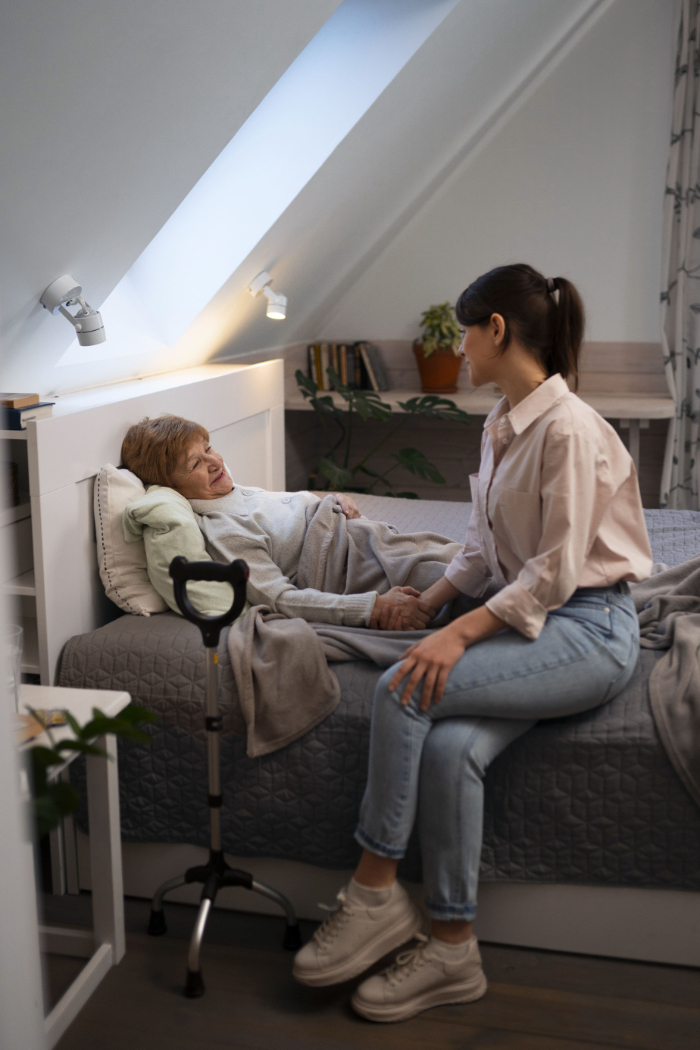
Caring for someone at home, especially towards the end of life, can be a challenging task This article explores the vital role of carers, how to provide effective home care, available financial support, emotional well-being, and local resources to help navigate this significant responsibility.
Who is a Carer?
A carer is an individual who, without receiving any monetary payment, offers support to a family member or friend who would struggle to get by without this help. The need for a carer often arises due to various reasons, including physical or health disability, mental health disorders, or substance addiction.
Essentially, anyone can become a carer, irrelevant of age or profession. Statistics show that approximately one out of eight adults in England assumes this vital role. The specific duties undertaken by carers differ greatly, depending on the needs of the person they are supporting.
These may include personal care tasks such as assisting with bathing, dressing, or eating. In other situations, carers offer valuable emotional support, providing a listening ear, comfort, and encouragement. Carers often also assist with daily household chores, shopping and managing finances.
Furthermore, they may provide transportation services, whether it be to medical appointments or social activities. Despite facing numerous challenges and demands, many carers are motivated by the fulfilment derived from providing aid, support and comfort to their loved ones.
The silent selfless service performed by carers, in taking care of those unable to do so themselves, cannot be overemphasised. Carers are crucial in supporting individuals preferring to remain in the familiarity of their own homes. Home-based care can thus prove to be vital, often serving as a lifeline, and substantially improving their quality of life.
How to Care for Someone at Home
Caring for a person in the homely environment is an undertaking that demands comprehensive understanding and efficient addressing of the specific needs of the individual under care. A crucial initial step in this process involves determining what kind of assistance is needed by this person.
The type of assistance required might be physical, mental or emotional, or indeed, it could be a mix of all three. It's pivotal to identify their unique requirements in order to cater for them in the most suitable and beneficial manner.
Carers, whether they're family members or professionals, should always aim to tailor their approach in a sensitive yet effective manner. This is to ensure that the person they're caring for feels entirely comfortable and at ease in their presence. Maintaining a reasonable and consistent routine for regular visits and tasks also plays a key role in this.
By setting regular times for eating, bathing, therapies and other daily activities, the person under care gets accustomed to the routine, which can help them feel more secure and less anxious. Keeping open lines of communication with medical professionals, like doctors and therapists, is another key component of effective home care.

Regular conversations with these professionals can offer significant assistance in being up-to-date with any changes in treatments, medications, or therapies that might be recommended for the person under care. There may be cases where the person’s needs are more complex, and the family members or regular carers might not be able to meet the care demands.
In such scenarios, the services of a trained live-in carer could prove beneficial. Live-in care services offer round-the-clock support and are a particularly suitable solution for people with complex needs. In areas such as Camden and Hampstead, these services offer dedicated and personalised home-based care. The carers living with the person can provide continuous supervision and assistance, ensuring the optimal care and safety of the individual in the comfort of their own home.
Remember, quality home care is all about identifying needs, offering tailored support, and keeping communication channels open for the person living under care. It's about helping them live a healthy, independent, and fulfilling life.
Financial Support
Caring for someone at home, be it family or a close friend, is a substantial commitment. The amount of time, effort, and resources involved should never be underestimated. Alongside the emotional and physical aspects, it's crucial for a person to fully understand the financial implications that come with being a full-time carer. No one should have to shoulder this burden alone, and thankfully, in England, there are several avenues for financial support.
Carer's Allowance and Carer's Credit are two forms of financial support provided for those who are eligible. Carer’s Allowance is essentially an economic aid for those who devote a significant part of their life to caring for others.
Carer's Credit is a National Insurance contribution that fills gaps in your National Insurance record, aiming to protect your future State Pension. However, understanding the complexity and navigating through these allowances may seem overwhelming for some. For this purpose, throughout England, a number of organisations exist that offer support and guidance.
They can help to navigate carer's rights, and entitlements, and provide the necessary information to make informed decisions about the best possible options. Aside from these, there are also local charities often working within specific areas, such as Camden.
These charities offer support services that supplement governmental aid. This could involve counselling, respite care, and other forms of support. It's worth researching locally to see what additional help is available.

Emotional Support
Emotional support is a fundamental element in the realm of caregiving, providing a sense of comfort and security for both those receiving care and the caregivers themselves. In the case of the individuals who are provided care, they gain a dependable companion with whom they can openly discuss their emotions, apprehensions, and irritants.
This level of communication fosters a positive mindset, thereby enhancing overall emotional health and well-being. However, it's crucial to note that caregivers also require such emotional support, often underestimated and overlooked. Performing caregiving duties can be exceedingly strenuous, both physically and emotionally, necessitating their own unique form of support.
The role of a carer is often fraught with immense personal sacrifice, which can lead to emotional wear and tear over time. Social networking groups aimed at caregivers serve as a useful tool for them to interact, and share their experiences and tactics to manage stress and emotional challenges effectively. In addition, carers can utilise professional counselling services, where they can express their feelings and concerns without fear of judgement.
These sessions can help in understanding and overcoming their emotional turmoil in a healthy, controlled manner. Hence, yet often underrated, emotional support holds equal importance both for the one receiving care and the one providing it.
Who Can Help?
In the borough of Camden, there exists an array of service providers proficient in delivering top-tier home care services. These organisations are staffed with highly qualified carers, all of whom have undergone intensive training designed to equip them with the skills needed to deliver the highest level of care. These services are dedicated to maintaining an outstanding standard of health care which caters to the unique needs of each individual they assist.
Furthermore, there are a number of local charities and organisations that offer invaluable support and resources. Not only can they provide informative advice about the range of home care options available, but they also offer hands-on assistance with paperwork which can often be daunting and complex.
Moreover, they can provide emotional counselling services that serve as a vital support network for both carers and those receiving care. This compassionate approach ensures no one feels overwhelmed or alone during their home care journey. The variety of services offered goes beyond basic health and well-being care.
Whether it’s providing personal care, offering live-in care, or assisting with daily tasks such as cleaning, cooking, or mobility assistance, these service providers cover a vast range of needs. They extend their services to offer a lifeline to individuals who are choosing to stay and be cared for in the comfort and familiarity of their own homes.
These providers are committed to making home care a viable and positive choice for all. Contact details for these efficient service providers are easily accessible to anyone wanting to explore their offerings further. By harnessing the expertise of these skilled professionals, residents of Camden can receive outstanding care right in their own homes.
Ultimately, the goal is to affirm that help is within reach and that those in need of care can live at home with the support, dignity, and quality of life they deserve. So, remember, with the variety of care options on offer in Camden, help is always at hand.
Our specialist caregivers provide end-of-life care in the comfort of your home. At Companions Home Care, we offer personalised support and assistance to ensure your loved one's final days are peaceful and dignified. Contact us today to learn more about our end-of-life care services available in London.